Contemporary Exhibitions

Designing an Immersive Museum Experience

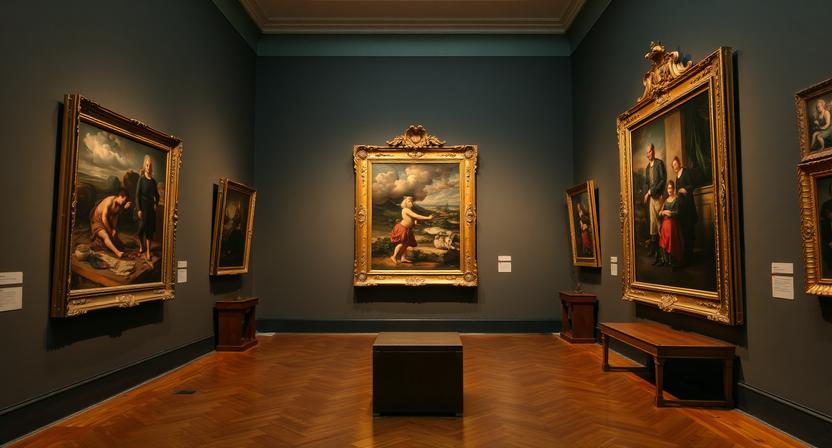
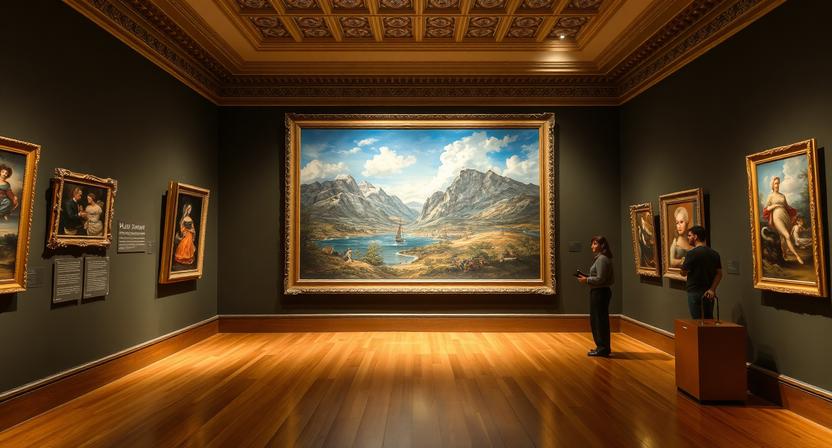
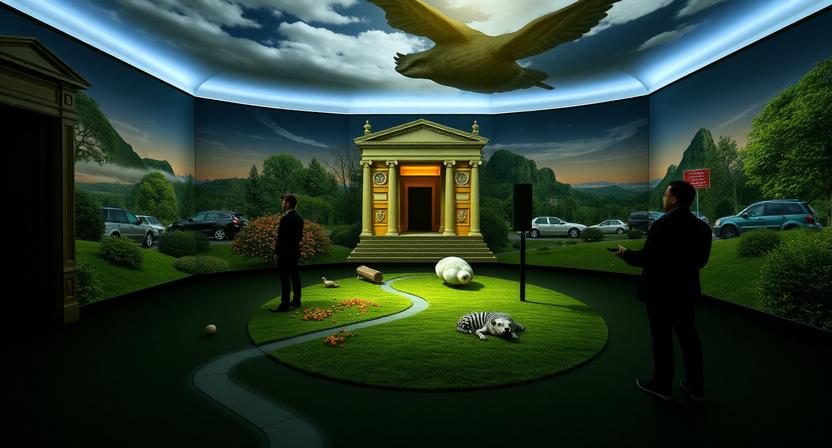
Museum exhibitions today are designed not only to display objects but also to create memorable experiences. Lighting, sound, architecture, typography, and spatial movement all contribute to how visitors emotionally engage with an exhibition.

Immersive design begins with storytelling. Curators and designers carefully plan how visitors will move through a space, encounter artworks, and interpret information. Each room becomes part of a broader narrative structure that unfolds gradually throughout the exhibition.
Contemporary Exhibitions

The Role of Contemporary Art in Modern Society

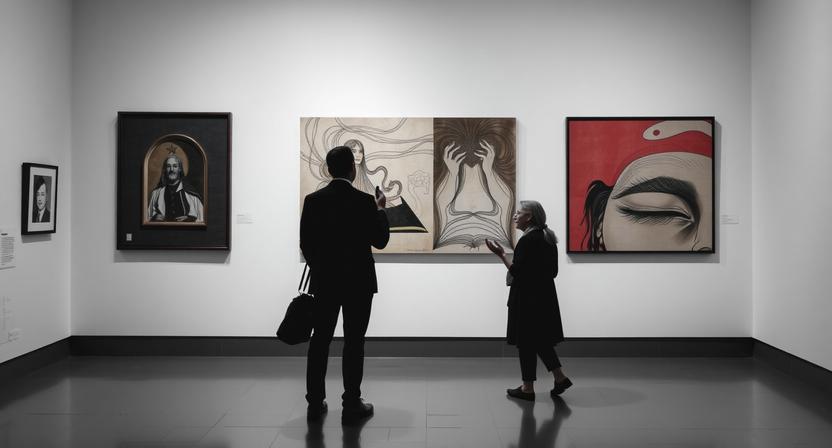
Contemporary art reflects the complexity of the modern world. Unlike traditional artistic movements that followed clearly defined styles, contemporary artists often experiment with diverse materials, technologies, and conceptual approaches. Their works explore social, political, environmental, and psychological themes that resonate with present-day audiences.

Museums and galleries have become essential platforms for presenting these evolving artistic practices. Through installations, multimedia experiences, performance art, and immersive environments, contemporary exhibitions challenge visitors to think critically and engage actively with artistic ideas.

Art & Psychiatry

Preserving the Voices of Psychiatric History

The history of psychiatry is complex, shaped by scientific discoveries, ethical debates, and changing social attitudes toward mental illness. Museums dedicated to psychiatric history play an essential role in preserving these narratives while encouraging contemporary audiences to examine them critically.

Archival materials such as photographs, handwritten journals, medical instruments, and institutional records provide insight into historical methods of care. These objects reveal both progress and limitations within psychiatric practice across different eras. They also help contextualize broader cultural beliefs surrounding mental health.

Art & Psychiatry

Museums as Spaces of Reflection and Healing

Museums have traditionally been seen as places dedicated to preservation and education. Yet in recent decades, cultural institutions have increasingly embraced another important role: becoming spaces for reflection, emotional connection, and collective well-being. Quiet galleries, contemplative artworks, and carefully designed environments encourage visitors to slow down and engage with deeper questions about society and human experience.

The architecture of many museum spaces contributes to this atmosphere. Soft lighting, spacious corridors, and minimal distractions create environments that feel calm and introspective. Visitors often describe museums as places where they can disconnect from everyday stress and reconnect with thought, imagination, and memory.

Art & Psychiatry

The Relationship Between Creativity and Mental Health

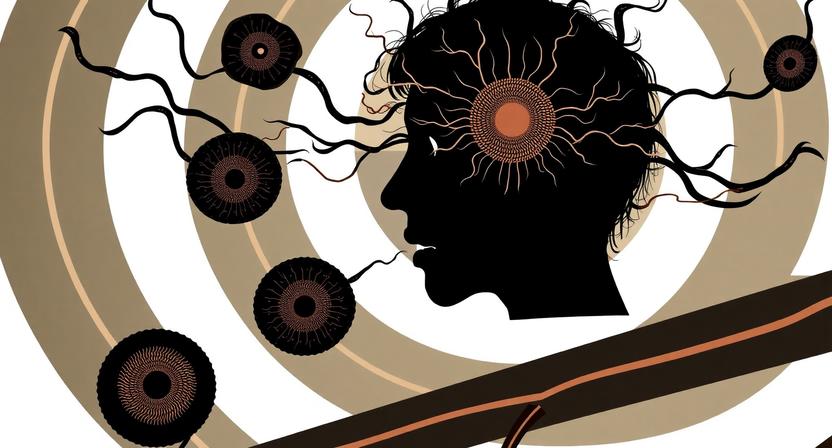
Art has long served as a language for emotions that cannot easily be explained through words. Across centuries, artists have transformed personal experiences, fears, dreams, and psychological struggles into paintings, sculptures, writings, and performances that continue to resonate with audiences today. In the context of psychiatry, creative expression has often been observed as both a reflection of mental states and a powerful method of emotional exploration.

Many psychiatric institutions in Europe began preserving artworks created by patients during the nineteenth and twentieth centuries. These collections revealed extraordinary originality and emotional depth, challenging the assumption that artistic value belonged only to academically trained creators. The works demonstrated that imagination could flourish even in moments of isolation, trauma, or psychological distress.

Scroll to Top